










I Bet You Think This Song Is About You...
 Sunday, November 11, 2012
 This week, Procter & Gamble invited a group of mom bloggers to Toronto as part of their blogger ambassador program. The purpose of the invitation was specifically (via Playground Confidential):
As a P&Gmom, you’re part of our family. Throughout the year, you’ll be involved in unique programs, be first to try new products and have access to our experts. Our hope is that by providing these opportunities, you’ll share your experience with your readers.
That they did. In fact, they tweeted so much with the #pgmom hash tag that it was trending in Canada. A few of us, who have serious concerns about the toxins in P&G products, tweeted some of our concerns, questions, and information on independent testing that has been done on P&G products (you can see some samples of my tweets in Rebecca's post).
The reaction from the P&G moms ranged from:
- Calling us jerks and mean girls and bullies
- Telling us to screw off
- Saying it was just sour grapes because we weren't invited
- Saying that we think we're better moms
- Calling us self-righteous
- Saying we don't understand their motivations or reasons for attending the event
- Saying that we probably didn't care about or notice them at all until they were attending the event
- Telling us to get our own hash tag
P&G has a vested interest in getting a positive message out about its brands, and it is using moms as its mouthpiece. Those of us who have concerns about P&G have an interest in informing the public about those concerns and putting pressure on the company to change its practices.
If P&G were using its own social media accounts to put hundreds and hundreds of positive tweets out about its products, I would direct my concerns to the company. When the company starts using moms as its mouthpiece, asking them to spread positive messages about the company, I will express my concerns to them.
It isn't personal.
...or at least it wasn't until we were called names.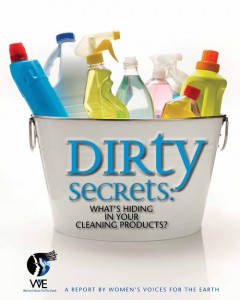 I have no interest in judging another mom for the cleaning products she brings into her home, nor do I have any interest in being judged for the ones that I choose. I do, however, have an interest in ensuring that all of the products that we all have access to are as safe as possible. Cancer sucks and the destruction of our environment is horrible and can't be turned back. Pink ribbons and turning off our lights for an hour on Earth Day isn't going to fix the problem. Holding large multinational corporations that are responsible for poisoning our bodies and our earth accountable can fix the problem.
As Carly Stasko said in her guest post here on Mompaganda:
The mothers featured in these ads are not the problem. They are just parents themselves, and most certainly they’re doing what they think is best for their families. Perhaps they are. But Shell uses those mothers as the face of their public image, appropriating all that is positive in motherhood for their own cynical objectives, and that’s where the problem arises.
Accepting a title of ambassador and then sharing the company's message on twitter is an official role, paid or not. If the Canadian ambassador in a foreign country started sharing information publicly about Canada's issues or even if he/she just accepts the title, then people in that country should be able to go to the Canadian ambassador with questions and concerns about Canada's policies and actions and expect a reasonable response. Calling the people with questions or concerns jerks or bullies or brushing off their concerns as background noise or spam is inappropriate, unprofessional and undiplomatic.
When people ask questions about the ethics or tactics of organizations I work with, I get them answers. I don't call them names, I don't whine about how they are being unfair to me or how they don't understand my reasons for working with the organization. Even if the people asking me questions have a rude tone, I feel it is my role as an ambassador to rise above and provide a respectful reply.
Being an ambassador is work. Being an ambassador for a company that has a poor record on environmental and health issues is a lot of work and a big headache. That's why people who work in public relations in the tobacco industry and the oil industry make so much money. That's why moms who choose to be an ambassador for a company like P&G should demand more than just free product and a trip to Toronto in return. Because it isn't always going to be an easy ride.
If you truly support what Procter & Gamble is doing and are a fan of their products, that's none of my business. But if you are going to be a spokesperson for them, you need to ask yourself whether you are willing to take on the role of ambassador with all of the responsibilities and difficult questions that come with it. If you are, you need to ask whether you are willing to do that in return for free products and a few nights in a hotel or whether you need to be paid more in order to put up with that.
This isn't it about you. It isn't about what products you use, whether you're a good mom, or whether you're a good blogger. It is about P&G. If your relationship with them is so close or if you're so passionate about their products that you take a criticism of the company personally, then maybe it becomes about you because you've suddenly made yourself part of the problem instead of part of the solution. However, if you take your role as an ambassador seriously and professionally, you should be thanking people for asking questions, find a way to relay those concerns to the company and get back to people with answers. That is what an ambassador does.


Reader Comments (54)
An inspiring, well-written and intelligent post. Thank you.
I am so glad to be reading this on the heels of this article, which I think came about because of the KFC thing http://www.socialmediaexplorer.com/online-public-relations/dont-bite-the-brand-that-feeds-you/
Social media can be daunting, brands feel they need to be a part of it, companies fear it, but honestly it's not that dissimilar from real life. Pam raises a good oint that the absence of facial nuance makes it hard to get accurate reads, but email has been doing that for a long time.
I think if a hashtag is used, it is fair to expect that people will hop on, whether they "belong" to to the hashtag or not. The idea is to spark a conversation and the intel that can be gained from those interactions is a good thing. If ambassadors and companies respond without fear, there is a good chance that a valuable discourse can take place.
Immediately striking with closed ears on either side is just bad business. I do wish that the headlines could begin to be more about how twitter parties led to change, whether in perceptions or in actual business practices/ingredients etc. These train wreck scenarios are getting tiresome.
Amanda:
Yes, the KFC thing (and that post that you linked to) is the reason why I re-shared this post today.
I think this goes back- how many years now?- to Nestle and what I wish they would have done for their bloggers on that trip... where is the damage control? How can these brands NOT know this is going to happen, especially on Twitter and when there are hashtags? I do think that bloggers these days should know better and can do their own research, but the brand still should already be on top of that and inform them of what they might expect as feedback online. While yes I agree with you on this certain incident, I think a bigger issue is that these bloggers are being brought on by brands with no training how to handle these situations that are GOING to happen, and the brand doesn't have their back. They should have someone ready to respond productively, always, and hopefully turn it into a meaningful discussion for everyone involved.
Steph